Character
Temperament, socialization and what trained means
A good shepherd is steady and confident. A poor one is nervous or overbearing. The difference is mostly breeding and early life.
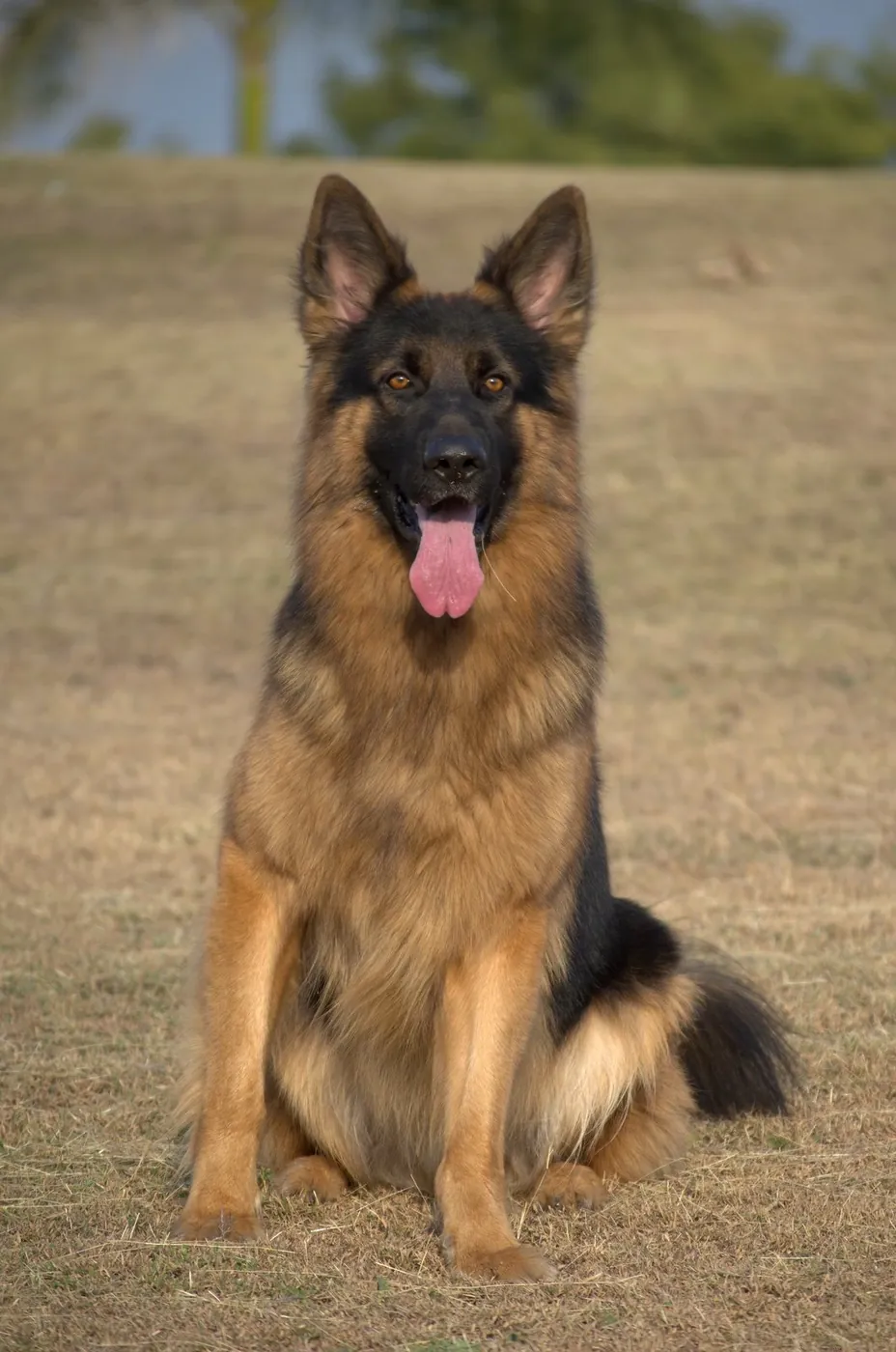
The temperament to look for
A well-bred German Shepherd is intelligent, loyal and confident, protective of its people and not quick to befriend strangers. That watchfulness makes it a natural deterrent. The ideal dog is also comfortable in new places, recovers quickly from surprises and takes direction from its handler.
Why socialization decides so much
A shepherd that has not met enough people, places and sounds can become fearful or overprotective. Both are risks. Early, steady, positive exposure builds a dog that can tell a threat from a delivery driver.
Trained: three things to confirm
- Everyday control: recall, settle and loose-leash walking in busy places.
- Social steadiness: calm around strangers, dogs and noise.
- Directed response: protection work that starts and stops on command, if it is part of the dog's training at all.
This guide does not describe protection techniques. That work belongs with qualified professionals who can supervise it in person.
Trainability cuts both ways
Shepherds learn quickly, including bad habits. Consistent rules, short sessions and a patient handler make the difference.
Continue to family life.
Quick answers
Are German Shepherds naturally aggressive?
A well-bred, well-socialized one is not. Fear and poor socialization raise risk.
Is a trained shepherd safe with visitors?
It should be calm and controllable, though supervision and clear routines remain important.
Leaning toward a German Shepherd?
Send a request and K9PN will route it to an independent professional who works with shepherds in your region.