Origins
History, and why lines matter
The breed began as a working dog with a clear purpose. Knowing that purpose helps you read what a modern line has kept or lost.
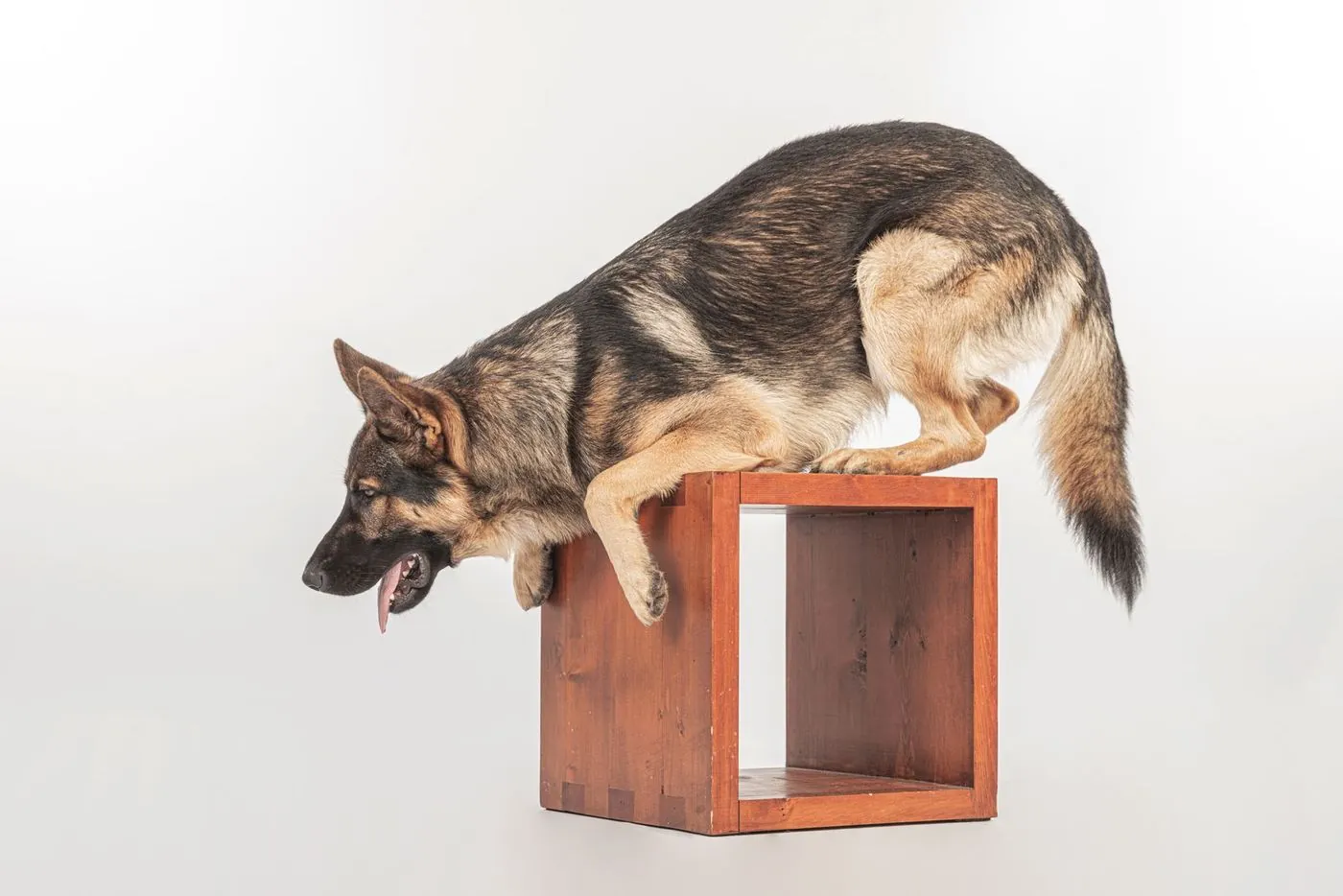
How the breed began
The German Shepherd was developed in Germany from 1899 by Max von Stephanitz, a former cavalry captain. He founded the Verein fur Deutsche Schaferhunde, known as the SV, and registered Horand von Grafrath as the first dog of the breed. His aim was a working dog prized for intelligence and ability rather than looks, and its use in herding, police and military work spread quickly.
Where shepherds work today
You will find the breed in police and military roles, scent detection, search and rescue and family homes. That versatility is why it is the default image of a protection dog, and why popularity has produced very different dogs under a single name.
Working lines and show lines
| Working lines | Show lines | |
|---|---|---|
| Bred for | Drive, trainability and soundness for work | A conformation standard judged in the ring |
| Tendency | Higher energy and intensity | Often calmer, but more variable |
| Ask about | Work history of parents and handling needs | Structure, health records and temperament |
Neither is automatically better. A working-line dog may overwhelm a quiet household, and a show-line dog may lack the drive for demanding work. Match the line to the job.
Next, read about temperament and training.
Quick answers
Who created the breed?
Max von Stephanitz, beginning in Germany in 1899.
Are mixed lines a problem?
Not necessarily, but they make temperament harder to predict, so ask for the dog's history.
Leaning toward a German Shepherd?
Send a request and K9PN will route it to an independent professional who works with shepherds in your region.